


%402x.svg)
In 2023, a 35-year-old mother of two limped into Arizona Performance Institute using a cane.
She had given birth to her second child in October 2022 and experienced significant hip pain throughout her pregnancy. Six months later, she was diagnosed with congenital hip dysplasia in both hips, along with a labral tear and femoroacetabular impingement in her right hip.
By the time she began physical therapy, she was struggling physically and mentally. Walking was difficult. She used a cane and sometimes even a walker at work, where she teaches. She was unable to carry her six month old baby. For someone who had always been active and competitive, this was not the season of life she expected.
When she began treatment at Arizona Performance Institute, her goal was simple: avoid surgery if possible.
For six months, she committed fully to her rehabilitation plan. We focused on:
Despite consistent effort and measurable improvements, her structural hip condition ultimately required surgical intervention.
Once it became clear that a total hip replacement was inevitable, she did not slow down. Instead, she shifted her focus toward prehabilitation.
Prehab before hip replacement surgery has been shown to improve post-operative outcomes by:
She entered surgery stronger than when she first arrived, which positioned her for a smoother rehabilitation process.
In November 2023, she underwent a right total hip replacement.
After surgery, the work continued.
Rehabilitation following total hip replacement is not just about reducing pain. It is about restoring strength, movement quality, and long-term resilience.
Week after week, she hit new milestones.
Month after month, she rebuilt confidence in her body.
Her program progressed from early mobility and basic strength to higher-level stability and performance-based training. By November 2024, she was ready to transition from physical therapy into structured group training within our sports performance program.
Although she still manages symptoms in her other hip, she discovered something powerful throughout this process.
Strength training was not just improving her hip function. It was improving her mental health, confidence, and sense of identity. For someone who loves sports, the outdoors, and being active, this mattered.
Consistent resistance training provides:
For many patients, rehabilitation should not end when pain decreases. It should evolve into performance-focused strength training.
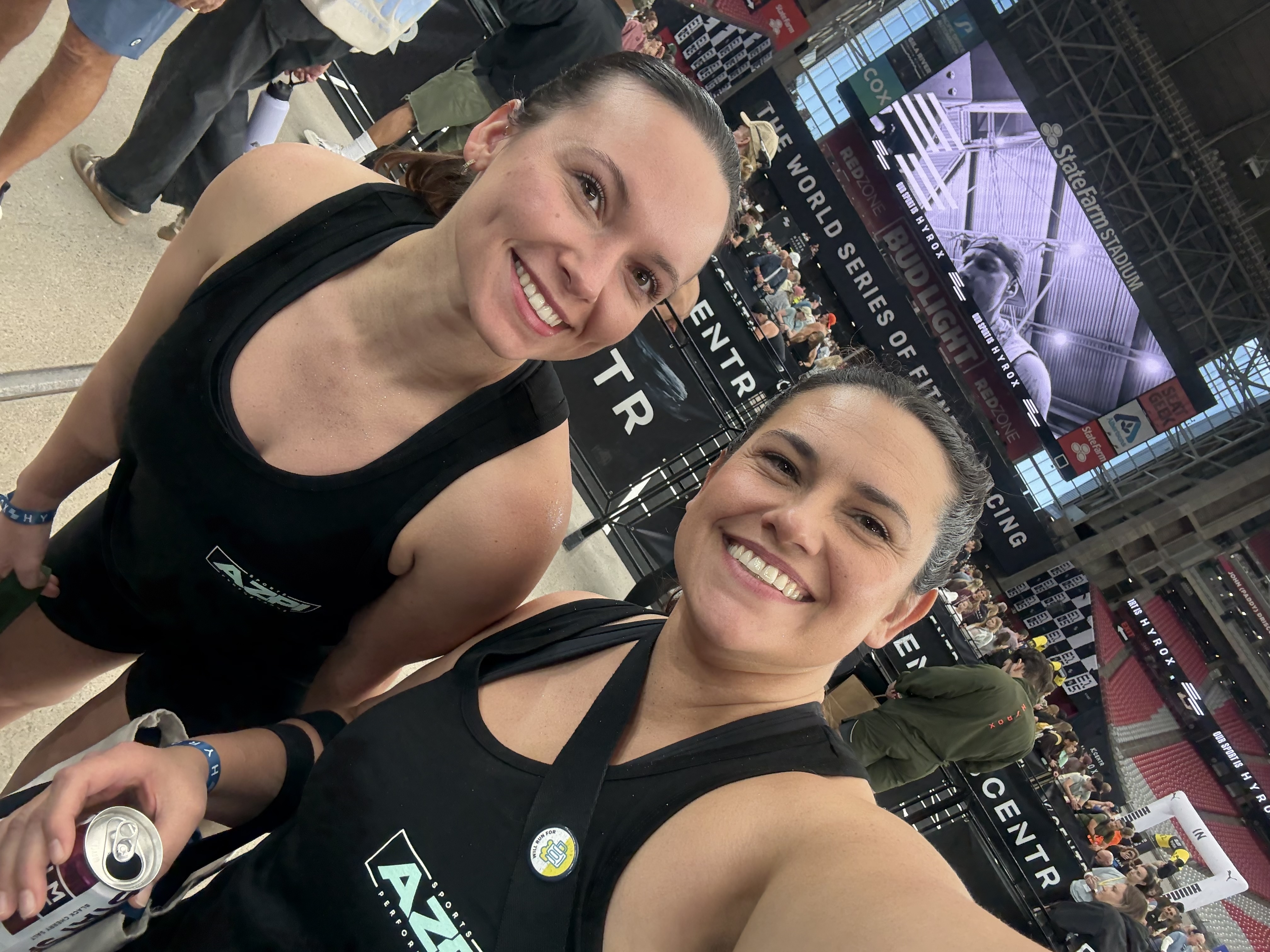
When HYROX announced they would be coming to Phoenix, she signed up.
The same woman who once struggled to walk and could not carry her baby began training for one of the most physically demanding fitness competitions in the world.
With intelligent programming, proper load management, and continued attention to her hip mechanics, she trained safely and progressively.
She completed the race.
HYROX was not just a competition. It represented the culmination of two years of resilience, consistency, and belief in the process.
Hip dysplasia, labral tears, and even hip replacement surgery do not automatically mean the end of an active lifestyle.
With the right plan, the right progression, and the right team, it is possible to:
At Arizona Performance Institute, we believe rehab is not the finish line. It is the foundation for performance.
If you are navigating hip pain, postpartum discomfort, or considering hip surgery, know this:
Your diagnosis does not define your ceiling.
With proper guidance and strength-focused rehabilitation, your comeback can be stronger than your setback.
Ready to schedule your PT appointment? Call the office at 480-500-1446 or schedule online here!


%402x.svg)


%402x.svg)