


%402x.svg)
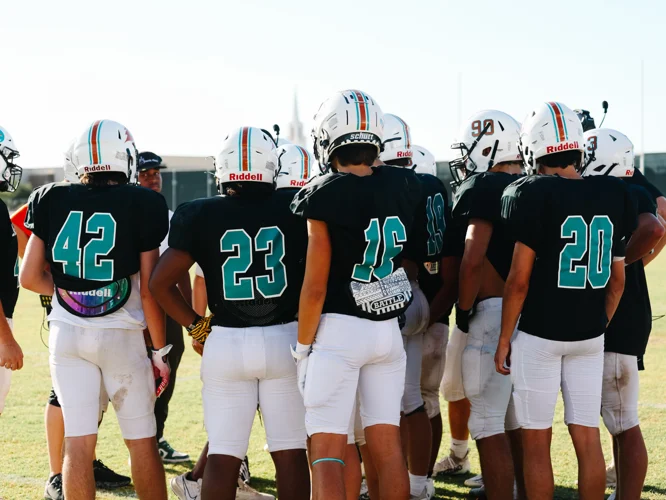
Football pads are back on. Volleyball tryouts are underway. Cross country teams are logging early morning miles before the heat sets in. Across Mesa, Gilbert, Chandler, Queen Creek, and San Tan Valley, fall sports preseason is officially here, and so is one of the highest-risk windows of the entire athletic year.
Most sports medicine providers will tell you the same thing: the first two to three weeks of preseason cause more preventable injuries than almost any other stretch of the season. It is not because fall sports are inherently more dangerous. It is because athletes are jumping from a relatively unstructured summer straight into full-intensity practices, often in extreme heat, without the conditioning base to handle the load.
Here is what parents and athletes should know heading into the season, and how to reduce the risk of an injury sidelining your athlete before it even really starts.
Arizona Heat Makes Preseason Riskier
Fall sports may be on the calendar, but summer temperatures are still very much in effect here in the East Valley. Practicing in high heat and humidity puts extra strain on the body beyond the usual demands of training, and it raises the risk of dehydration and heat illness on top of the usual musculoskeletal injuries.
A few basics matter more than most people realize:
-Hydrate before practice, not just during it. Waiting until an athlete feels thirsty means they are already behind.
-Watch for early warning signs. Cramping, dizziness, headache, or unusual fatigue can be early indicators of heat-related illness and should not be pushed through.
-Allow time for heat acclimatization. The body adapts to training in heat over one to two weeks. Athletes who ramp up too quickly are at higher risk.
Why Preseason Conditioning Matters More Than People Think
A common pattern we see: an athlete spends the summer casually active, maybe playing pickup games or doing light workouts, then walks into the first week of official practice at full go. Their cardiovascular system might be ready. Their tendons, ligaments, and stabilizing muscles often are not.
This gap is where a lot of common fall sports injuries come from, including hamstring strains, ankle sprains, and ACL injuries. The good news is that this is largely preventable with the right preparation.
A solid preseason approach typically includes:
When to Get an Athlete Evaluated
Not every ache needs a clinic visit, but some things are worth having a professional look at before the season gets underway:
A pre-participation movement screen or a quick evaluation can catch these issues early, when they are still easy to address, rather than after they turn into a season-ending injury.
Setting Your Athlete Up for a Strong Season
The goal of preseason preparation is not just avoiding injury. It is making sure your athlete steps onto the field, court, or course ready to perform at their best from day one, rather than playing catch-up after an early setback.
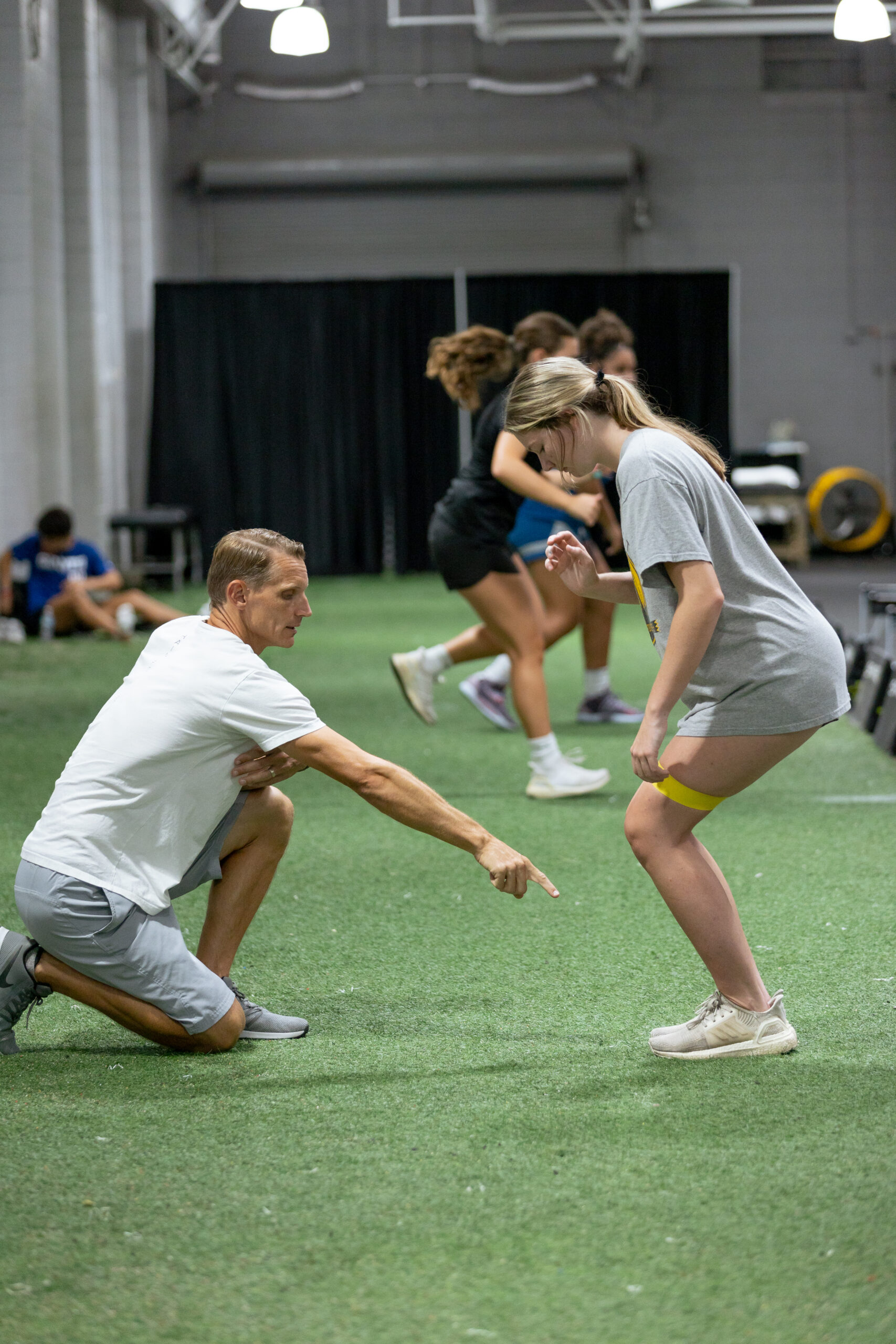
If your athlete is heading into fall tryouts or preseason practices, our sports performance program is built around exactly this kind of preparation: building the strength, movement quality, and conditioning base needed to handle the demands of the season ahead. If you have questions about your athlete's readiness for the season, we are happy to help.


%402x.svg)


%402x.svg)