


%402x.svg)
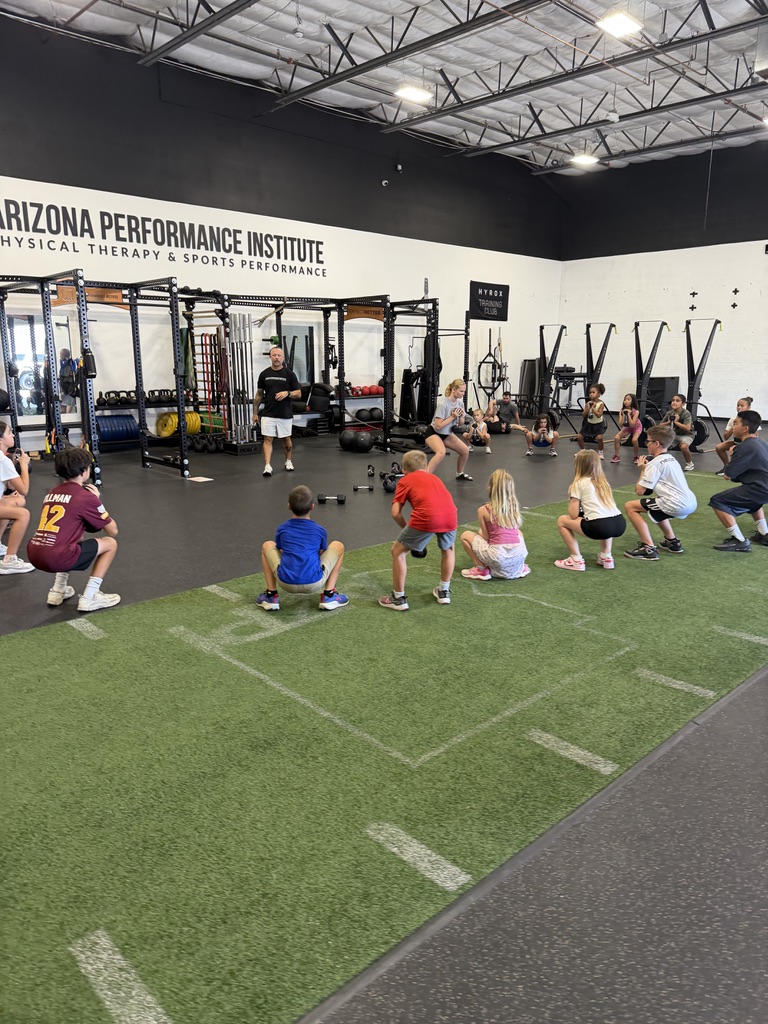
If you're a sports parent in the East Valley, you've probably felt the pressure: club coaches pushing year-round commitment, other families' kids already "specializing" by age 10, and a nagging fear that if your child doesn't focus on one sport now, they'll fall behind. It's one of the most debated topics among youth sports parents, and the research paints a clearer picture than the pressure around you might suggest.
The argument for early specialization usually comes down to one idea: deliberate practice. The theory, popularized in performance psychology, holds that elite-level skill takes thousands of hours of focused, sport-specific practice, and the earlier an athlete starts accumulating those hours, the better their odds of reaching an elite level. For families with a talented young athlete and a specific goal, like a college roster spot or a shot at an elite club team, this logic feels intuitive. If everyone else is specializing, staying multi-sport can feel like falling behind.
Here's where it gets uncomfortable for the specialization argument: a 2025 rapid review of pediatric sports research found that early sport specialization was linked to a higher injury risk, worse functional and physical performance, and little to no benefit to long-term sport success, along with worse psychological outcomes for young athletes. In other words, the kids pushing hardest into one sport early aren't reliably ending up better athletes for it. In many cases, they're ending up more injured and more burned out.
A separate 2025 critically appraised review in the International Journal of Athletic Therapy and Training looked specifically at overuse injury risk and concluded that sport specialization is consistently associated with a higher rate of overuse injuries across a range of youth sports, based on prospective studies including youth baseball players and high school athletes tracked over time.
The mechanism isn't mysterious. Specialized athletes tend to repeat the same movement patterns on the same growing bones, joints, and tendons, month after month, without the recovery or cross-training that a second sport naturally provides. Researchers commonly cite training-load guidelines to reduce this risk: youth athletes shouldn't play a single organized sport more than 8 months out of the year, and weekly hours in organized sport shouldn't exceed the athlete's age (a 13-year-old shouldn't be logging more than 13 hours a week, for example).
This isn't a case of "specialization bad, multi-sport good" in every situation. Some sports (like gymnastics) have different developmental timelines, and some athletes genuinely thrive with more focused training as they get older. But the research is fairly consistent on the general pattern: for most kids, staying multi-sport longer, and specializing later rather than earlier, correlates with fewer overuse injuries and doesn't appear to hurt their long-term shot at high-level performance.
What matters most, regardless of which path a family chooses, is managing training load and building the physical foundation, strength, mobility, movement quality, that lets a young athlete's body handle whatever sport (or sports) they're playing. That's true whether your athlete is playing three sports a year or has already committed to one.
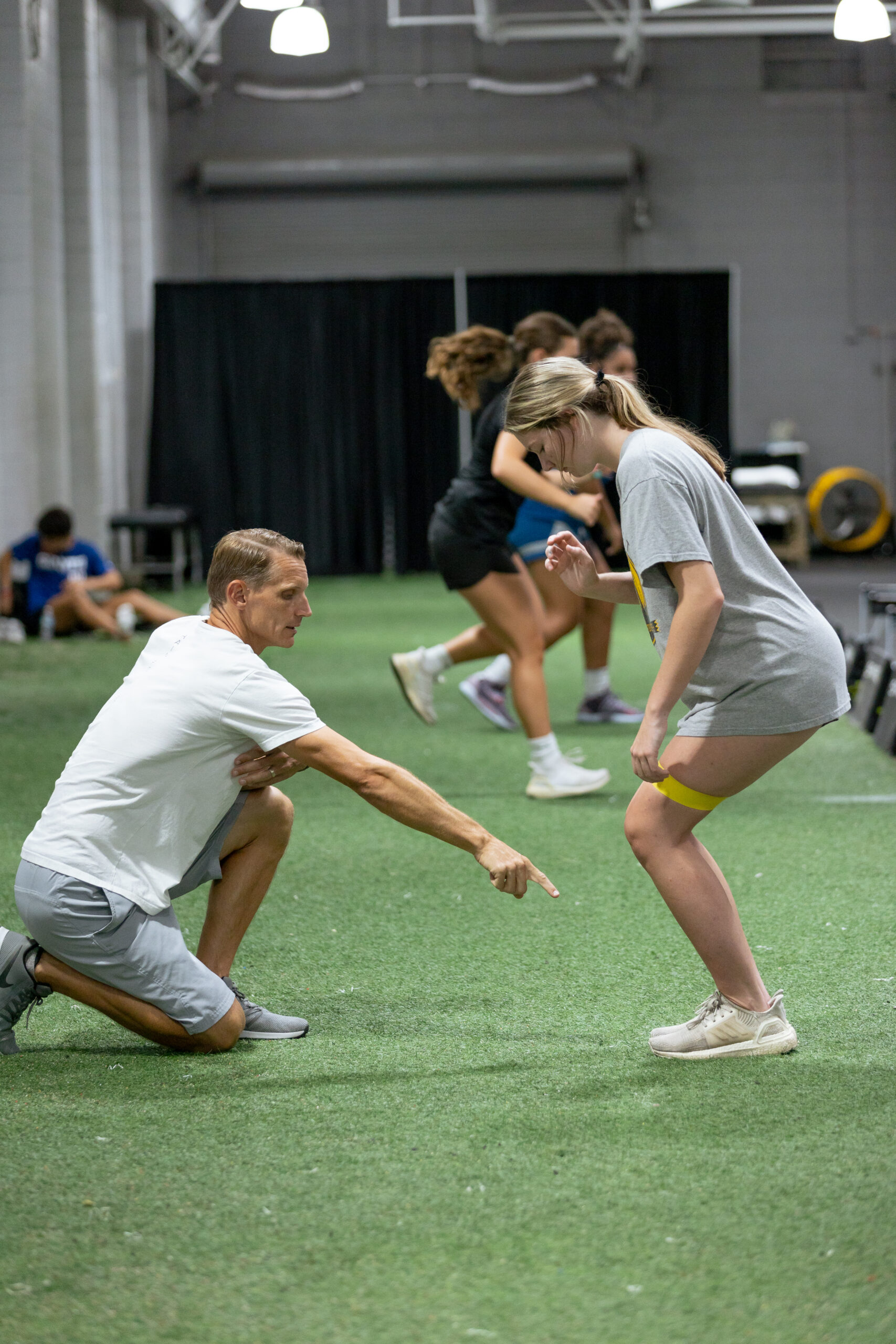
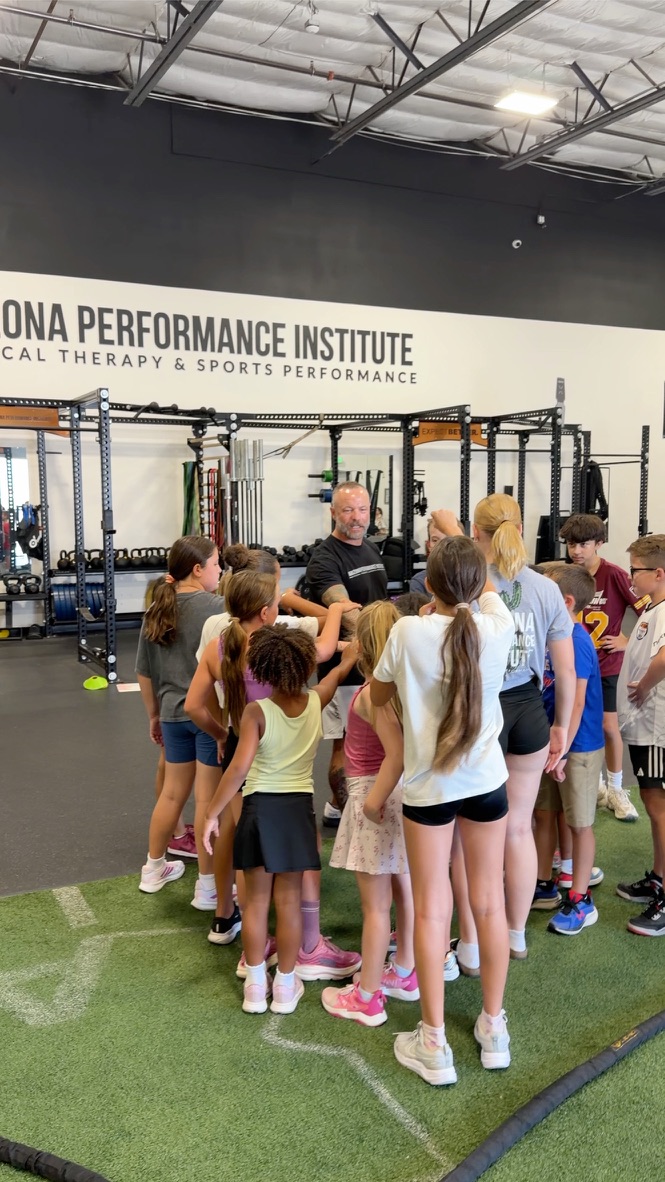
This is exactly why we built our youth strength and conditioning and teen sports performance programs the way we did: to give young athletes the physical foundation to handle real training load safely, whether they're multi-sport kids building general athleticism or specialized athletes who need smarter load management to stay healthy through a long season. We're not here to tell your family which path to take. We're here to make sure your athlete's body can handle it.
Want a training plan built around your athlete's actual sport schedule? Learn more about our youth and teen performance programs at AZPI.
This article is for general educational purposes. Every athlete's situation is different, talk to your child's coach, pediatrician, or a sports-trained physical therapist about what's right for them.


%402x.svg)





%402x.svg)